Summary
Choosing between a nursing home and a senior living community depends on your loved one's medical needs and lifestyle preferences. Understanding the key differences helps families find the right match for their situation.
- Nursing homes provide round-the-clock medical care for people recovering from surgery or managing complex health conditions, while senior living communities offer daily support with routines like bathing, dressing, and meals in a homelike setting.
- Assisted living works well for people who need help with daily tasks but not constant medical supervision, especially those who enjoy social programs and can make their own decisions.
- Memory care programs serve people living with dementia through structured routines and personalized approaches, while respite care offers short-term stays for recovery or caregiver relief.
- Senior living communities typically cost less than nursing homes and often include meals, housekeeping, maintenance, transportation, and activities in one monthly fee.
- Visiting both types of communities helps you evaluate staffing, services, and how care plans adapt as needs change over time.
Nursing homes vs. senior living communities is a comparison many families face when a parent’s needs start to change, and the two are easy to confuse. The question that sorts them out is simple: how much medical support does your loved one need each day? Skilled nursing communities provide around-the-clock medical supervision for people recovering from surgery or managing complex health conditions. Senior living communities focus on helping residents with daily routines in a setting that feels like home.
Understanding the Core Differences
The difference between a nursing home and assisted living comes down to the level of medical care. Skilled nursing communities employ licensed nurses who provide health services day and night. They serve people who need:
- Frequent medical checks and monitoring
- Wound care and post-surgical recovery support
- Feeding tube management and specialized nutrition
- Other health services that call for professional oversight
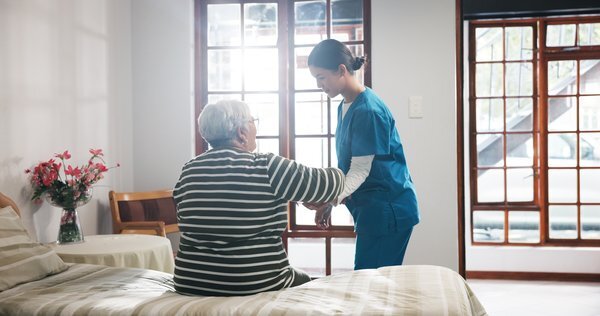
Assisted living takes a different approach. Team members help with bathing, dressing, medication reminders, and meals, and care plans adapt as needs change. The goal is steady, everyday support rather than intensive medical treatment.
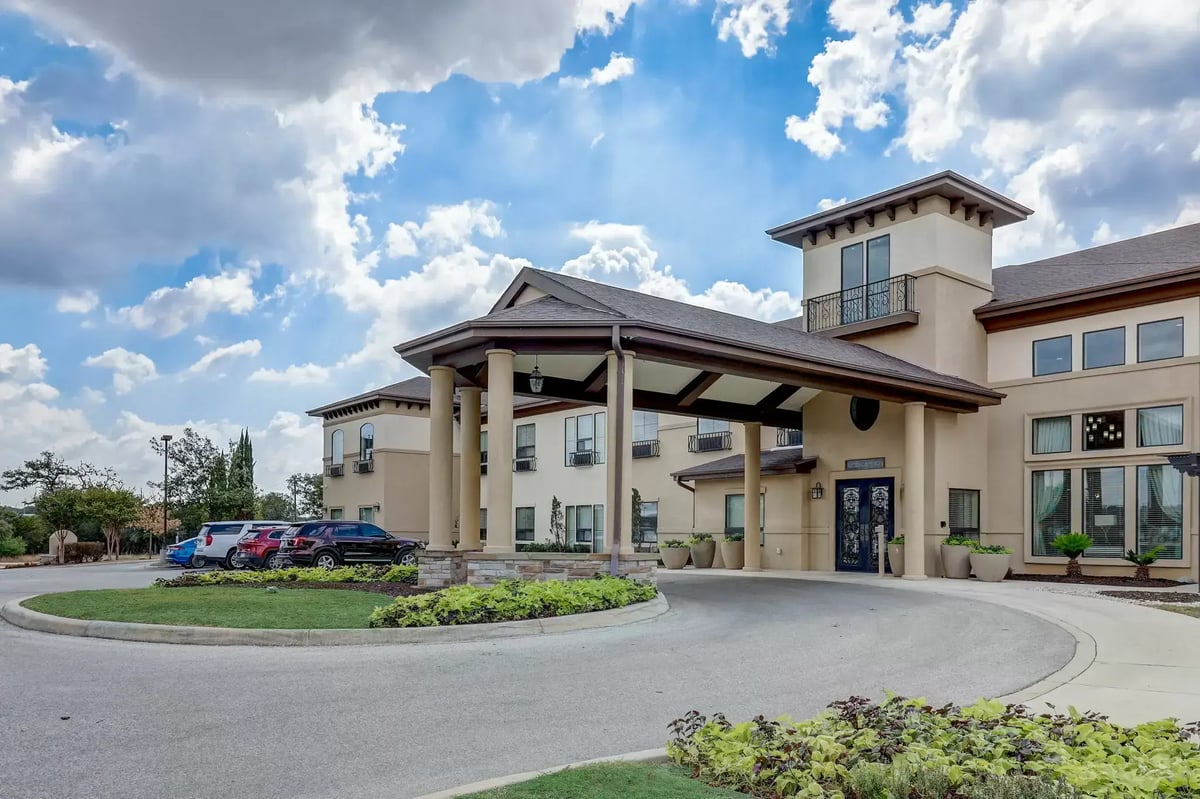
The setting differs too. Nursing homes often have shared rooms and a clinical layout built for medical efficiency. At Shavano Park, residents have a private suite or apartment home that feels like their own.
When to Choose Assisted Living Over a Nursing Home
Many families find that assisted living offers the right balance for someone who needs help with daily tasks but not constant medical supervision. A parent who has trouble managing medications, cooking meals, or keeping up the house may do well with a little help each day.
Knowing when to choose assisted living over a nursing home gets easier when you look at daily function instead of diagnosis. If your loved one can move around with minimal assistance, enjoys social programs, and can make decisions about their day, a senior living community often offers a better quality of life.
Our Assisted Living community in Shavano Park, TX, supports residents with daily needs while keeping the day familiar and their own. Care plans change as needs change, and residents settle into a welcoming, homelike community.
Exploring Alternatives to a Nursing Home Move
Some families find that a nursing home isn’t the best match after all. Memory care serves people living with Alzheimer’s disease or other forms of dementia, with structured routines, engaging programs, and team members trained in person-centered dementia support. GLOW® Memory Care at Shavano Park celebrates each resident’s life story through personalized approaches.
For short-term recovery after a hospital stay or surgery, a skilled nursing community can provide rehabilitation until strength returns. Some communities also offer respite care, a short stay that gives family caregivers a break and lets a loved one try senior living without a long-term commitment. Ask our team about availability.
Comparing Costs and Value
Nursing homes typically cost more than senior living communities because of the medical services they provide. Medicare or Medicaid may cover part of that care for people who qualify, though many pay privately until their resources run out.
Most families pay for senior living out of pocket, using savings or long-term care insurance. Medicare doesn’t cover room and board in assisted living.
The monthly fee also covers everyday living. At Shavano Park, that includes:
- Chef-prepared homestyle meals every day
- Weekly housekeeping
- Apartment maintenance
- Scheduled transportation to appointments and outings
- A full calendar of social programs and events
Together, these can cost less than paying separately for care, meals, home repairs, and rides.
Nursing Home or Senior Community: Which Is Better?
The better choice depends on your loved one, not the label. Start with whether they need daily medical interventions or help with everyday routines in a residential setting. Then think about how they like to spend their time and what makes a day feel good to them.
Tour both kinds of communities if you can. Notice how team members speak with residents, how the living spaces look, and the overall feel. Ask about staffing, available services, and how care plans change when needs do.
Weighing a senior living community versus a nursing home doesn’t have to be an either-or decision. Some people begin in assisted living and move to a higher level of care only if medical needs increase.
Take the Next Step at Shavano Park
Choosing between a nursing home and senior living is a big decision, and you don’t have to sort it out alone. Our team can walk you through each living option and answer your questions in plain language. To see the dining room and meet our team in person, schedule a tour today.